Cuttie Bunny: A Sweet Handwritten Font for Business Branding
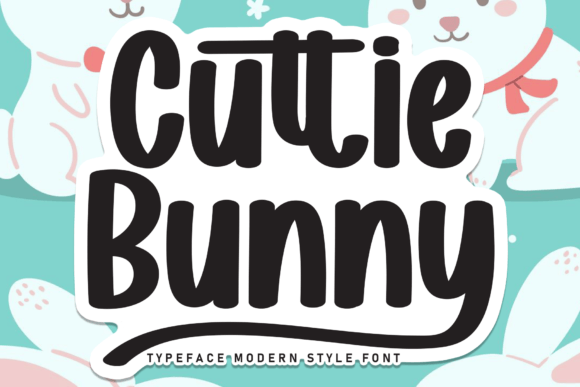
As a small business owner, I’m always looking for design tools that help my brand feel cohesive and professional without losing that personal touch. That’s why I’ve started using Cuttie Bunny across my marketing materials. It’s a friendly, handwritten font that brings warmth and approachability to any design. Whether you run a café, a boutique, or an online shop, this script font can elevate your visual identity in a way that feels genuine and polished.
Why Font Choice Matters for Small Businesses
Fonts aren’t just about style—they’re part of your brand voice. The right typeface can make your brand more recognizable and trustworthy. When customers see your logo, packaging, or social media posts, they should instantly connect with your brand’s personality. Cuttie Bunny does exactly that with its soft, hand-drawn curves and playful charm. It’s a Script Amp font that feels modern yet nostalgic, making it perfect for brands that want to feel both professional and personable.
How Cuttie Bunny Enhances Real-World Brand Touchpoints
Let’s talk about where this font shines. I use Cuttie Bunny primarily for headlines, logos, and accent text. Here are some of the ways I’ve incorporated it into my business materials:
- Logo Design: My brand logo now uses Cuttie Bunny as the main typeface. It gives the brand a soft, approachable feel that matches my customer service style.
- Packaging Design: I added the font to custom product labels and thank-you tags. It gives handmade items that personal, boutique-quality look.
- Social Media Graphics: From Instagram stories to Pinterest pins, Cuttie Bunny stands out on mobile screens without looking cluttered.
- Printed Materials: Business cards, flyers, and event invitations all look more inviting when I use this handwritten font.
If you own a bakery or a small café, imagine using Cuttie Bunny on your menu board or daily specials chalkboard. For handmade product sellers, this font adds a charming touch to stickers, packaging tape seals, and gift tags.
When to Use Cuttie Bunny and When to Pair It With Other Fonts
Cuttie Bunny works best as a display font or accent font. It’s not ideal for long paragraphs or body text, especially in smaller sizes. That’s where font pairing comes in handy. I often pair Cuttie Bunny with a clean sans serif like Montserrat or Lato for a balanced, modern look.
For example, in a product label design:
- The product name is in Cuttie Bunny (large, bold, and centered).
- The description text is in a simple sans serif font.
- This combination maintains readability while adding visual appeal.
This approach works well for web design too. I use Cuttie Bunny in hero banners and call-to-action buttons, while keeping the main website text in a more readable serif or sans serif font.
Readability in Real Business Settings
One of the most important things to consider when choosing a premium font is readability. I tested Cuttie Bunny at different sizes before using it on product packaging. On small labels, I made sure to use it sparingly and at a larger point size to maintain clarity. On mobile screens, the font still looks crisp and clean, especially in bold weights.
If you’re using it in printed materials like flyers or menus, always do a print test first. The soft curves of Cuttie Bunny can sometimes blur slightly depending on the paper and printer quality. Adjusting the size and weight helps maintain clarity across different formats.
Testing Before Committing to a Full Brand Rollout
Before you redesign your entire brand around Cuttie Bunny, test it in a few key places first. Try it on a single product label, a digital ad, or a social media post. Get feedback from your team or customers. Does it feel right for your brand? Does it match your business’s tone and audience?
I started by using Cuttie Bunny in just one section of my website and gradually expanded its use as I saw how well it resonated with my audience. This step-by-step approach helped me maintain brand consistency without overwhelming my existing visuals.
Font Licensing: A Quick Note for Business Owners
Always double-check the licensing agreement for any commercial font you use. Cuttie Bunny is a great design asset, but you need to ensure it’s licensed for the specific uses you have in mind—whether that’s on product packaging, merchandise, digital downloads, or client work.
Most font marketplaces offer different licensing tiers. Make sure you understand what’s allowed before using the font in your final products or marketing campaigns.
Final Thoughts: Building a Cohesive Brand with Cuttie Bunny
Using Cuttie Bunny has helped my small business look more polished and consistent across all customer touchpoints. It’s a creative font that feels professional without being stiff. Whether you’re designing a logo, packaging, or a digital ad, this script font brings a human touch that customers respond to.
Don’t underestimate the power of a well-chosen typeface in building brand trust and recognition. Cuttie Bunny might just be the missing piece in your visual branding puzzle.