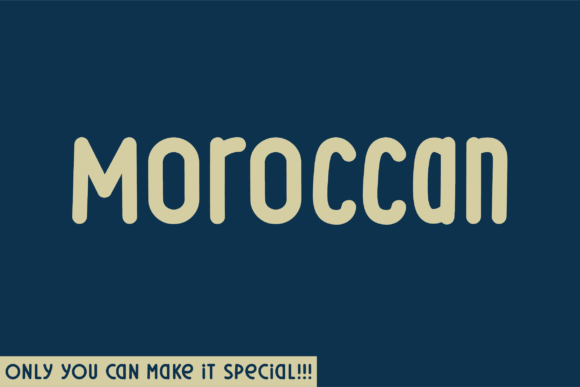
Moroccan: A Handwritten Font That Elevates Your Brand
As a small business owner, I’ve always believed that the little details make the biggest difference. One of those details is typography. When I discovered Moroccan, a natural handwritten font, it felt like the missing piece in my brand’s visual identity. What sets Moroccan apart is its authentic, unaltered character design—each letter maintains its natural flow without artificial adjustments. That gives it a unique charm that feels both personal and professional.
If you're running a boutique, café, coaching business, or online shop, your brand needs to feel consistent and trustworthy. Moroccan isn’t just another script font—it’s a tool that helps your business stand out in real-world applications like packaging, social media, and product labels. Let me walk you through how this font can help your brand look more polished and memorable.
Why Moroccan Works for Real Business Touchpoints
Typography is more than just letters on a page—it’s part of your brand voice. Moroccan’s soft, flowing strokes make it ideal for businesses that want to feel approachable yet refined. Whether you're designing a logo or printing thank-you cards, Moroccan adds a human touch that customers respond to.
Here’s how I’ve used it across different business materials:
- Logo design: It gives a boutique or handmade brand a unique, elegant look.
- Packaging design: Perfect for candle labels, beauty product boxes, or artisan food packaging.
- Social media graphics: Adds personality to Instagram posts and Pinterest visuals without looking cluttered.
- Printed marketing: Flyers, menus, and stickers look more engaging with Moroccan as a headline or accent font.
What’s great about Moroccan is that it’s versatile enough to feel modern while still maintaining a timeless, handcrafted appeal.
How the Right Font Builds Brand Trust
When I first started my business, I used whatever fonts came pre-installed on my design software. Over time, I realized that inconsistent typography made my brand feel scattered. Switching to a premium font like Moroccan helped unify my brand across all customer touchpoints.
A good font does more than look nice—it builds trust. Customers subconsciously associate clean, consistent design with professionalism. Moroccan, as a script font, strikes the perfect balance between expressive and readable, making it ideal for small businesses that want to feel personable but credible.
Real-World Examples of Moroccan in Action
I’ve seen Moroccan used beautifully in different niches:
- Bakery branding: Paired with a clean sans serif, it makes bakery logos and cupcake tags feel warm and inviting.
- Candle labels: The soft curves of Moroccan give handmade candles a luxury feel.
- Coaching businesses: Used in website banners and digital downloads, it communicates warmth and approachability.
- Café menus: Adds a charming, artisanal flair to printed menus and chalkboard signs.
- Online shops: From product descriptions to social media posts, Moroccan gives e-commerce brands a signature look.
It’s not just about aesthetics—it’s about creating a consistent visual language that customers can recognize and remember.
Readability Matters—Even in Decorative Fonts
One thing I always test before committing to a font is readability. Moroccan works best as a headline or display font because of its decorative nature. On small labels or mobile screens, I use it for short text like product names or taglines, not long paragraphs.
If you're using it for packaging or printed materials, make sure the size and spacing allow for easy reading. I always recommend testing a sample print or digital preview before going all-in.
Test Before You Commit
Before using Moroccan across all your brand assets, test it in a few different contexts. Try it on a mock-up of your product label, website banner, or business card. Does it still look sharp at smaller sizes? Is it legible on mobile screens? If yes, then it’s a solid choice for your brand identity.
Many font marketplaces offer previews or trial versions. Use them to your advantage before purchasing a commercial license.
Font Pairing: How to Make Moroccan Shine
One of the best ways to use Moroccan effectively is to pair it with a simpler font. Think of it like dressing for an event—you want one standout piece, not an outfit full of competing details.
Here are some simple pairings I’ve used:
- Moroccan + Montserrat: A clean sans serif that balances the decorative script in social media posts or website headers.
- Moroccan + Playfair Display: A classic serif that complements Moroccan’s curves in logo design or packaging.
- Moroccan + Lato: Great for digital marketing materials where readability and warmth are both important.
These pairings help Moroccan stand out without overwhelming the design. It becomes the visual anchor, while the supporting font handles the body text.
Check Licensing Before Use
Before using Moroccan—or any premium font—in your business materials, always check the licensing. Most fonts come with different usage rights depending on whether you're using them in logos, merchandise, packaging, or client work.
For example, some licenses may allow use in digital content but not in physical products. I always make sure to purchase a commercial license that covers all the ways I plan to use the font. This protects my business and supports the designers who create these beautiful tools for us.
Make Your Brand Feel More Human with Moroccan
In a world full of stock templates and AI-generated content, Moroccan reminds me that there’s still space for the human touch. Whether you're printing a thank-you note or designing a logo, this script font adds warmth and authenticity to your brand visuals.
When used thoughtfully, Moroccan can help your small business look more consistent, professional, and memorable. It’s not just a font—it’s part of your brand story.