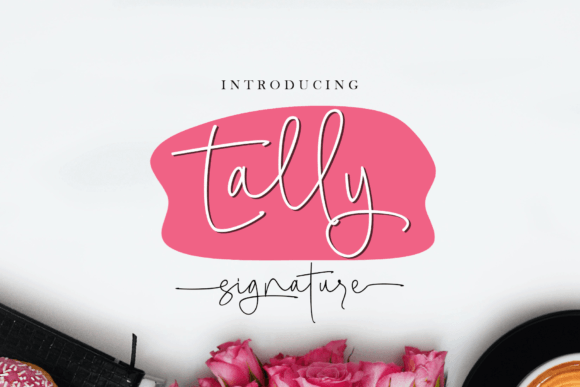
Tally Signature: A Modern Script Font for Professional Branding
As a small business owner, I’ve learned that branding is more than just a logo or color scheme — it’s the feeling customers get when they interact with your products, packaging, and marketing materials. That’s why I was excited to discover Tally Signature, a modern script font that brings a touch of elegance and personality to every business touchpoint. Whether you're designing a logo, printing product labels, or creating social media posts, this font helps your brand feel cohesive, trustworthy, and uniquely yours.
What Makes Tally Signature Stand Out?
Tally Signature is a monoline script font that blends classic signature charm with clean, contemporary lines. Unlike traditional calligraphy fonts with dramatic thick-and-thin strokes, Tally Signature maintains a consistent weight throughout, giving it a polished yet approachable look. It carries the warmth of handwriting without looking overly casual, making it ideal for brands that want to feel personable but professional.
The font has a soft, flowing rhythm that feels natural in both digital and printed formats. It’s expressive enough to draw attention as a headline or logo type, yet readable enough to use in short-form text like taglines, product names, or social media captions. Whether you're a wedding planner, boutique owner, or wellness coach, Tally Signature adapts to your brand’s tone while keeping your visuals consistent.
Real-World Uses for Tally Signature in Business
I’ve used Tally Signature across multiple areas of my brand, and it’s made a noticeable difference in how customers perceive my business. Here are a few practical applications that work especially well:
- Logos: For a boutique or small café, Tally Signature adds a personal, handcrafted touch to a logo without looking outdated.
- Product labels: I used it for a line of handmade candles, and it gave the packaging a refined, artisanal feel.
- Social media graphics: On Instagram and Pinterest, it helps headlines stand out while keeping the design feel warm and inviting.
- Thank-you cards and stickers: Whether printed or digital, the font adds a personal note that feels intentional.
- Website banners: Paired with a clean sans serif font, Tally Signature gives landing pages a polished, branded look.
Why Font Choice Matters for Brand Consistency
Fonts are more than just stylistic choices — they’re part of your brand identity. When you use the same font across your website, packaging, and marketing materials, customers begin to associate that visual element with your business. Tally Signature helps small brands create a unified look that feels intentional and professional.
For example, if you run a small bakery, using Tally Signature on your menu, business cards, and Instagram stories creates a consistent experience that customers remember. It’s subtle, but powerful. Over time, people start recognizing your brand by how it looks, not just what it sells.
When to Use Tally Signature — and When to Pair It
Tally Signature shines in display settings where a bit of flair enhances readability rather than hinders it. It works best as a headline font, logo type, or accent in designs where only a few words need to stand out. However, for longer paragraphs or body text, I recommend pairing it with a simple sans serif or serif font like Helvetica, Roboto, or Georgia.
This pairing strategy gives your brand a balanced visual hierarchy. For instance, I use Tally Signature for headlines on my website and pair it with a clean sans serif for product descriptions and blog posts. The contrast keeps the design dynamic while ensuring readability on both desktop and mobile screens.
Readability Across Real Business Touchpoints
One of the most important considerations when choosing a font is readability — especially when you’re printing on small labels, designing for mobile, or using it in thumbnails. Tally Signature holds up well in most of these contexts, but I always test it at different sizes before committing.
On product packaging, I make sure the font isn’t too small and that the letters don’t blur together when printed. For social media, I preview how it looks on a phone screen to ensure it remains legible even in fast-scrolling feeds. When used thoughtfully, Tally Signature maintains clarity and character across formats.
Testing Before Committing to a Font
Before adopting any font across your brand, it’s smart to test it in multiple applications. I downloaded a demo version of Tally Signature and created mockups for packaging, social media templates, and email headers. This helped me see how it would look in real use before purchasing the full license.
Many font marketplaces offer character previews, so I recommend checking how the font handles punctuation, numbers, and special characters — especially if you sell products that include dates, prices, or measurements. Some script fonts can be limited in character sets, so it’s best to confirm before investing.
Simple Font Pairing Ideas with Tally Signature
Font pairing doesn’t have to be complicated. I’ve found that pairing Tally Signature with a minimalist sans serif font like Montserrat or Lato creates a modern, clean contrast. If I’m going for a more vintage or organic feel, I’ll pair it with a serif font like Merriweather or Playfair Display.
These combinations work well in both print and digital formats. For example, on a café menu, I used Tally Signature for dish names and paired it with a light sans serif for descriptions. The result was elegant, easy to scan, and aligned with the café’s warm atmosphere.
Checking Licensing for Commercial Use
Before using Tally Signature in your business materials, it’s important to check the font’s licensing terms. Most premium fonts, including Tally Signature, come with commercial licenses that allow use in branding, packaging, and digital content. However, if you’re using the font in merchandise, templates, or client work, you may need an extended license.
I always confirm the licensing details before downloading or purchasing a font. This ensures I’m using it legally and protects my business from potential issues down the line. Most font marketplaces clearly state what’s allowed, so it’s worth taking a few minutes to review before you start designing.